Sounds overhead
Record the time and room where scratching occurs. Roof spaces, wall cavities, and garages need different access arrangements; sound alone does not identify a rat or mouse.
Scratching, droppings, or chewed packaging?
Scratching in an attic and droppings beside a pantry need different checks.
Rodent control starts by identifying the animal and the places it uses, then pairing removal with a plan to stop re-entry.
What to look for.
Sounds overhead
Record the time and room where scratching occurs. Roof spaces, wall cavities, and garages need different access arrangements; sound alone does not identify a rat or mouse.
Photograph evidence without disturbing it. Note damaged food packaging, storage boxes, or materials and whether new evidence appears after the area is checked.
Gaps around doors, service pipes, vents, and roof edges are useful inspection locations. Have inaccessible areas checked by someone equipped to work there.
A trapping or monitoring plan deals with current activity. Exclusion addresses the openings that let animals in.
A useful proposal specifies which openings will be repaired, the materials used, and the order of the work so animals are not simply sealed inside.
Ask whether roof access, damaged vent replacement, contaminated insulation, and cleanup are included. Pest work does not automatically include electrical repairs, roofing, or insulation replacement. Keep those responsibilities separate in the written scope.
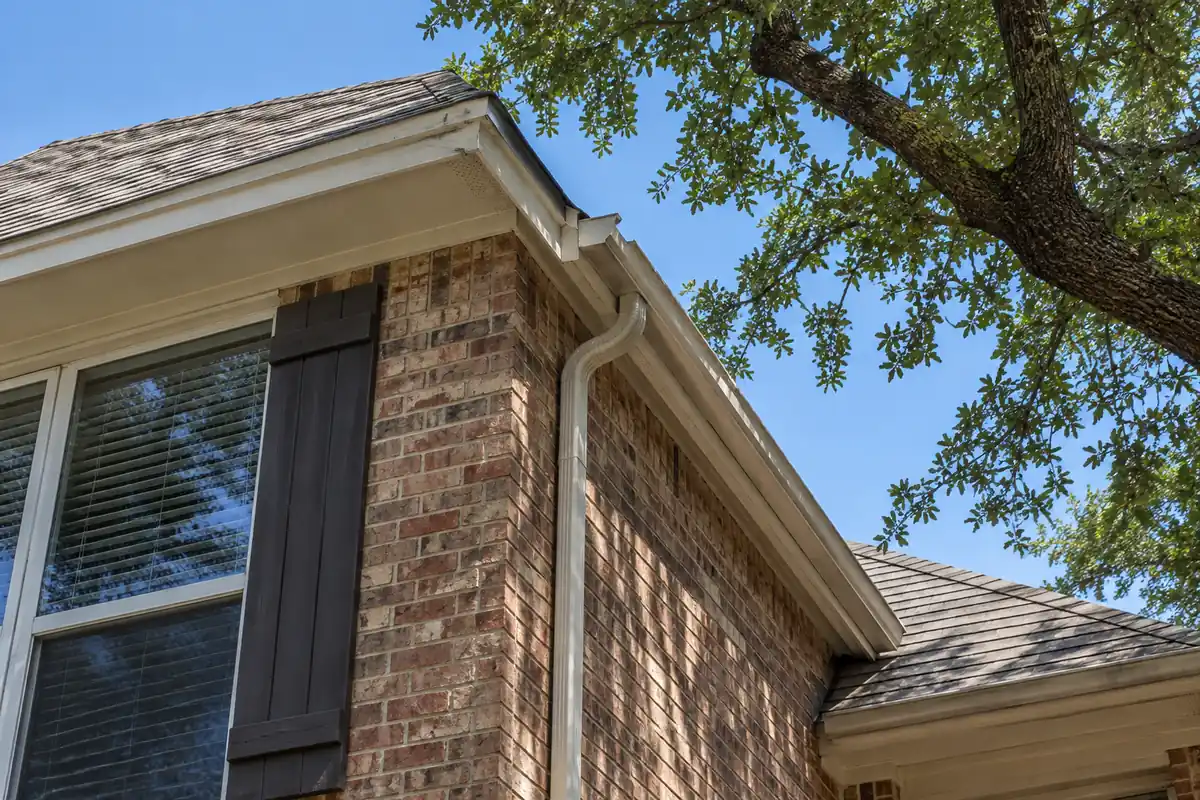
The inspection should connect the signs inside to likely access points outside. Relevant locations include garage door edges, utility penetrations, accessible attic areas, and sheltered storage.
A house with a crawl space presents different access questions from one built on a slab.
Ask how our technician distinguishes current activity from older evidence, which spaces could not be inspected, and how progress will be measured.
A report should identify the next check, rather than treating a single quiet night as proof that the problem is resolved.
Make the home less inviting
Store pet food and bird seed in closed, durable containers. Keep waste covered and make storage areas accessible for inspection.
Describe branches, stacked materials, or vegetation close to the house so the exterior assessment includes them.
Leave droppings and contaminated materials undisturbed until you have appropriate cleanup instructions. If bait is proposed, discuss its location, access by children or pets, monitoring, and removal with our technician.
Roof rats travel along palm fronds, fences and power lines into attics, Norway rats follow drainage and trash areas, and house mice move indoors during cold snaps.
Climate matters here. Jacksonville has a humid subtropical climate with long, hot, wet summers and short, mild winters, so insects are active almost every month and afternoon storms keep the ground damp.
A Jacksonville home with rodents at the utility chase needs that spot named when you call, so the visit starts in the right place.
A thorough rodent inspection around Jacksonville covers:
In a city of oaks and pines, roof rats and squirrels walk along branches to the roof.
Trimming limbs back from the house and sealing gaps at soffits and vents does more than trapping alone.
Common questions.
Rodent control: scope, preparation, and follow-up.
Not on its own if animals remain inside or other routes are open. Ask how removal, monitoring, and exclusion will be coordinated.
It may be a separate service. Confirm the affected materials, cleanup method, disposal, and whether insulation work is included before accepting a proposal.
That depends on the evidence and access. The plan should describe the monitoring schedule and the findings used to decide when activity has stopped.
In Jacksonville, rodents near Jacksonville Beach are traced from the garage-door sweep, not from a product chosen before anyone looks.
A Jacksonville home with rodents at the utility chase needs that spot named when you call, so the visit starts in the right place.
In Jacksonville, rodents near Neptune Beach are traced from the garage-door sweep, not from a product chosen before anyone looks.
If you have seen rodents near Mandarin, leave the gable vent as you found it and photograph it.
Writing down where rodents were seen near Neptune Beach, including the hose bib, makes the Jacksonville visit shorter and more exact.
Rodents around Riverside follow the way the house is built, and the porch step is one of the first places checked.
A good enquiry has a few details.
Tell the story of the problem: what you saw, where it appeared, and what has changed. You can start without knowing the pest.
Our team agrees the date and the scope of any visit directly with you.
Coverage for rodent control in Jacksonville is confirmed from the street, including places such as Neptune Beach. The details are on the Exterminator nearby in Jacksonville, FL page.