Attics & roof edges
Locate the source of sounds and assess accessible entry points before planning exclusion.
Jacksonville · Duval County
Get to the source of your pest problem.
Ants in the kitchen. Scratching in the attic. Mosquitoes around the porch. Find the right inspection questions and a clearer next step for your home.
What’s happening at home?
Choose the closest match. Each guide explains what to look for and what to ask.
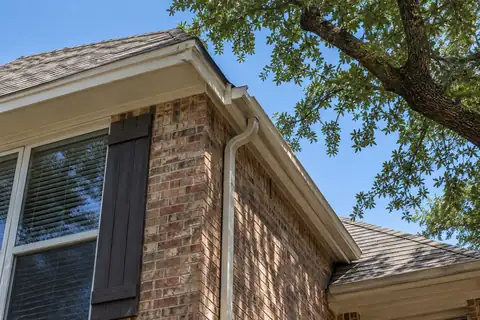
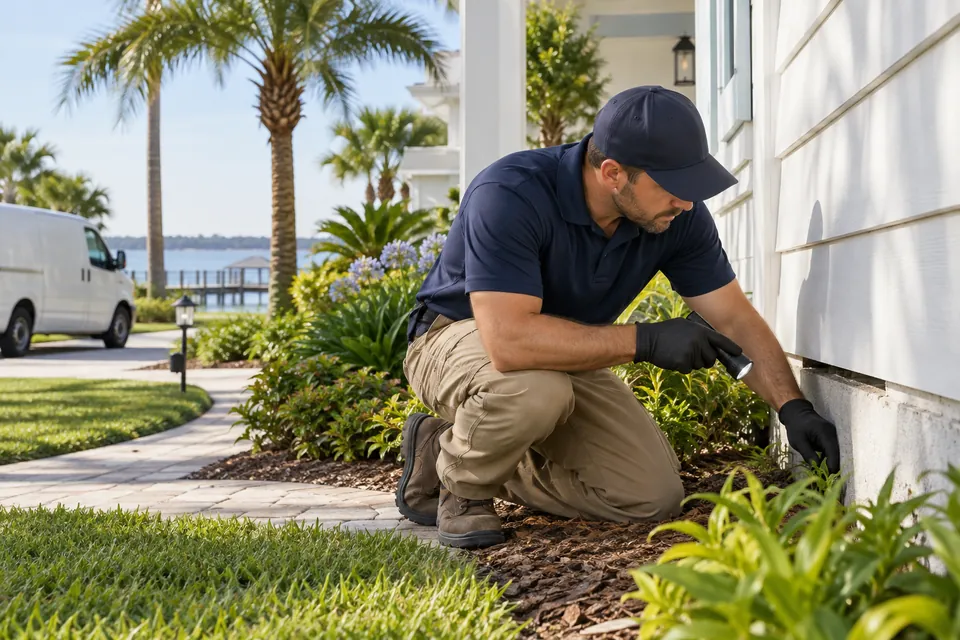
Identify the activity, find entry routes, and plan removal and exclusion together.
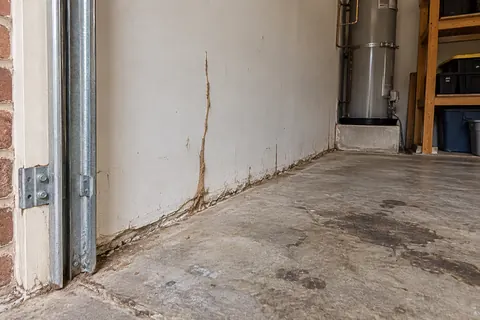
Separate suspected signs from confirmed activity before choosing a treatment.
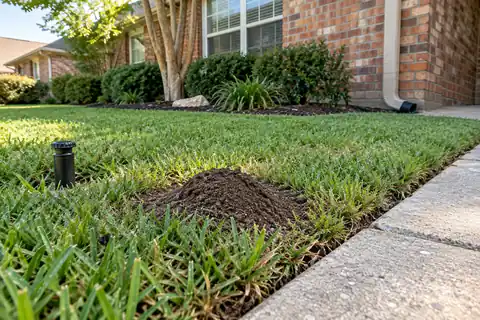
Follow the trail and identify the ant before deciding how to address the colony.
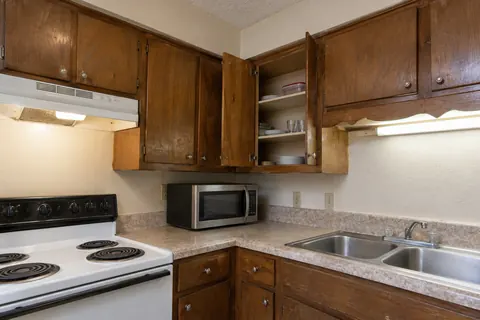
Identify the cockroach and check shelter, food, moisture, and access.
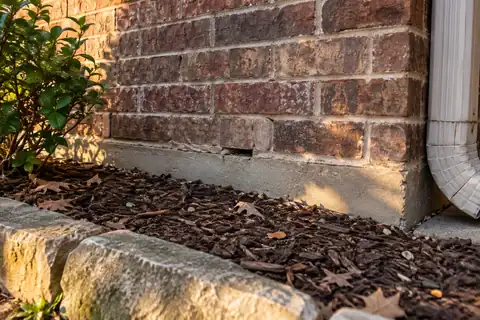
Identify the spider and review the conditions that bring it close to living spaces.
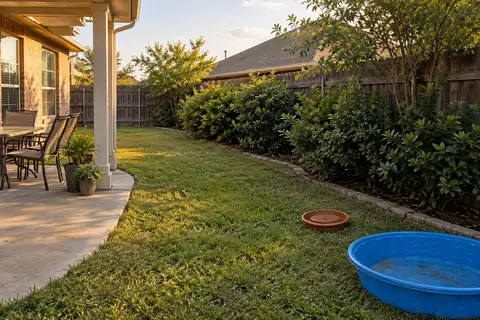
Look for water-holding sources and plan treatment around how the outdoor space is used.
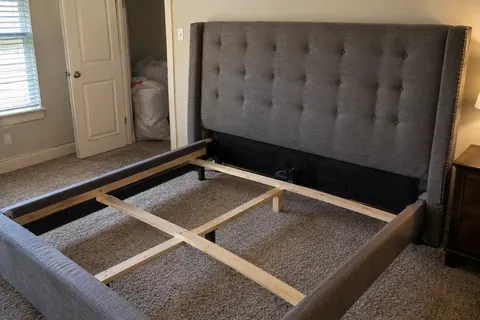
Confirm the pest, define affected spaces, and get a room-specific preparation plan.
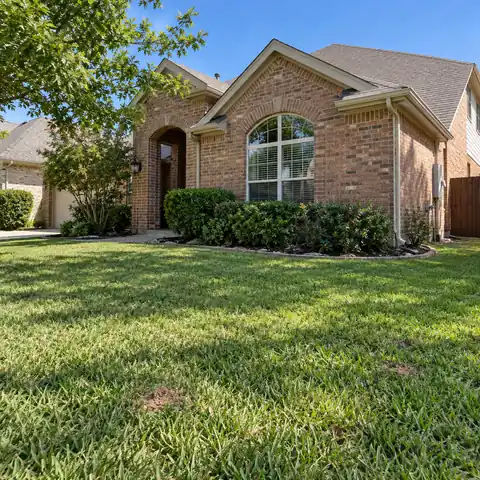
Start with the signs and find out whether a general or specialist service fits.
Not every pest is a problem in every month, and not every building has the same weak points.
These are the ones that come up most often in Jacksonville, with what to expect from each.
Fire ants, ghost ants and carpenter ants are the ones people call about most; fire ant mounds appear in lawns after rain, and carpenter ants follow moisture into soffits and window frames.
Near Jacksonville Beach, local pest problems turn up at the dryer vent before they turn up in the main rooms.
American cockroaches, often called palmetto bugs, come in from storm drains and mulch beds, and German cockroaches settle into kitchens and apartment buildings.
Homes around Springfield get the local pest problems inspection at the sill plate first, because that is where the activity usually starts.
Roof rats travel along palm fronds, fences and power lines into attics, Norway rats follow drainage and trash areas, and house mice move indoors during cold snaps.
Homes around Atlantic Beach get the local pest problems inspection at the bath trap first, because that is where the activity usually starts.
Eastern subterranean termites are active across Duval County, drywood termites are common in older coastal homes, and Formosan termites have been found in Florida, so a careful inspection matters.
The local pest problems check in Jacksonville covers the dishwasher line and the expansion joint on the same walk-through.
Bed bugs travel with luggage and used furniture, so they turn up in apartment buildings, short-term rentals and homes near the beaches and downtown.
The time of year in Jacksonville changes the pressure, and local pest problems near San Marco are still confirmed at the window well.
Brown widows and black widows nest in meter boxes, garages and under eaves, while wolf spiders and orb weavers are common and mostly harmless.
For local pest problems in Jacksonville, the visit starts at the weep holes and then follows whatever that shows.
Mosquitoes breed in standing water, including marsh edges along the St. Johns River and the Intracoastal Waterway, clogged gutters, plant saucers and tires.
Near Arlington, local pest problems turn up at the attic hatch before they turn up in the main rooms.
Paper wasps build open nests under eaves and railings, yellow jackets nest in the ground, and mud daubers plaster nests on porches and garages.
A Jacksonville home with local pest problems at the utility chase needs that spot named when you call, so the visit starts in the right place.
Fleas are a year-round problem in the warm climate, usually brought in by pets or wildlife and living in carpet, bedding and shaded yard areas.
Local pest problems around Riverside follow the way the house is built, and the porch step is one of the first places checked.
Jacksonville has a humid subtropical climate with long, hot, wet summers and short, mild winters, so insects are active almost every month and afternoon storms keep the ground damp.
Housing ranges from historic bungalows in Riverside and San Marco to mid-century ranches, newer subdivisions in Mandarin and the Southside, and beach cottages and condos along the Atlantic coast.
A Jacksonville home with local pest problems at the utility chase needs that spot named when you call, so the visit starts in the right place.
The time of year in Jacksonville changes the pressure, and local pest problems near Orange Park are still confirmed at the foundation crack.
Neighborhoods such as Riverside, San Marco, Mandarin, the Southside, and Arlington all have their own mix of building age, landscaping and drainage.
Termite swarms follow warm rains, and ants move into kitchens as lawns green up.
Summer
Heat and daily storms bring mosquitoes, American cockroaches and wasps.
Fall
Rodents look for attics as nights cool, and fire ant activity continues until the first cold snaps.
Winter activity
Mild winters mean German cockroaches, rodents and some ants stay active indoors.
Do not close up the stored firewood before the inspection for local pest problems in Jacksonville, or the useful evidence is gone.
A Jacksonville home with local pest problems at the crawl-space vent needs that spot named when you call, so the visit starts in the right place.
A pest problem usually has an entry point, and in Jacksonville it is most often one of these:
For local pest problems in Jacksonville, the visit starts at the pet door and then follows whatever that shows.
Small signs are easy to explain away. In Jacksonville the ones worth taking seriously include:
Take a dated photo before you clean anything up. It gives the inspection something to work from.
One visit or an ongoing plan?
The choice between a single visit and a plan depends on what was found and how the property is used:
Jacksonville is the largest city by area in the contiguous United States, spread along the St. Johns River from the Atlantic beaches to the older neighbourhoods of Riverside and Avondale.
Duval County mixes tidal marsh, pine flatwoods, historic wood-frame houses and new subdivisions.
Warm, humid weather lasts most of the year. Pests here follow water, so the marsh edges, canals and low lots tend to see the highest numbers.
Salt marsh mosquitoes hatch after high tides and heavy rain and can fly a long way inland. Freshwater species breed in the same buckets, gutters and plant saucers found in any yard.
Fire ants build mounds in lawns after rain, and ghost ants and carpenter ants move indoors when the weather changes. A trail that ends at a wall is often the start of the problem.
Subterranean termites are active across northeast Florida, and swarms follow warm, wet spells. Older homes in Riverside, San Marco and the beach communities often have wood close to soil and original porches.
Mud tubes on a foundation wall and hollow-sounding trim should be photographed and shown to an inspector before repairs begin.
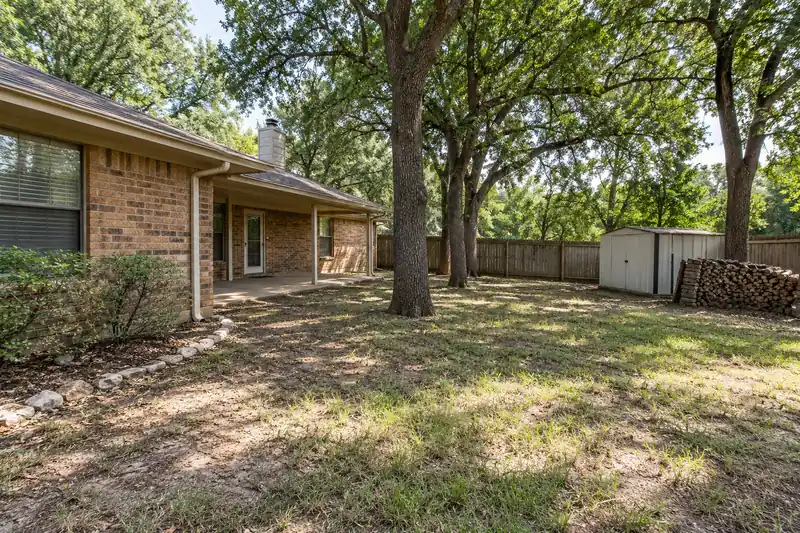
For Jacksonville homes.
Start with the room, construction, and outdoor conditions. A screened porch, a raised floor, and a slab foundation each create different inspection questions.
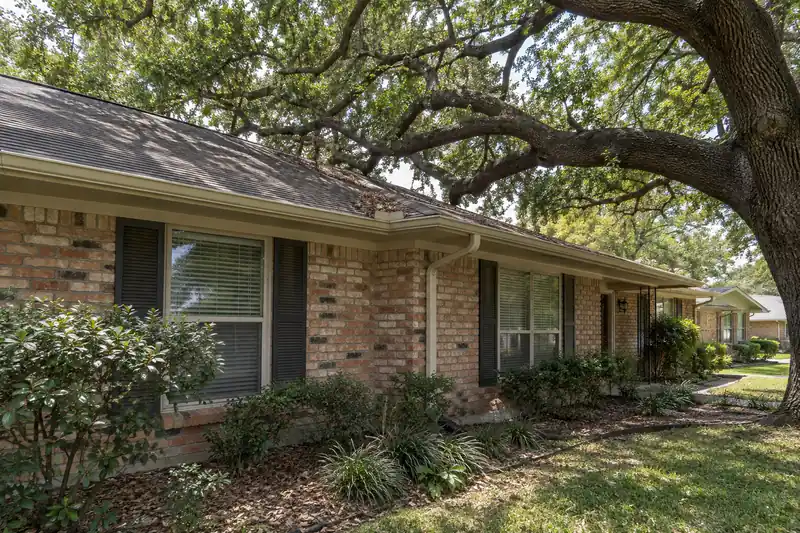
Check the service-area detailsAttics & roof edges
Locate the source of sounds and assess accessible entry points before planning exclusion.
Porches & outdoor rooms
Include screens, door sweeps, lighting, and places where water collects in the assessment.
Document the evidence and construction before comparing termite treatment options.
Do we cover you?
Pick your town.
Yes, we serve Jacksonville. Call Now to arrange a visit.
Yes, we serve Jacksonville Beach. Call Now to arrange a visit.
Yes, we serve Atlantic Beach. Call Now to arrange a visit.
Yes, we serve Neptune Beach. Call Now to arrange a visit.
Yes, we serve Orange Park. Call Now to arrange a visit.
Yes, we serve Riverside. Call Now to arrange a visit.
Yes, we serve San Marco. Call Now to arrange a visit.
Yes, we serve Mandarin. Call Now to arrange a visit.
A plan you can read.
Homes around San Marco get the local pest problems inspection at the sill plate first, because that is where the activity usually starts.
Near Arlington, local pest problems turn up at the dryer vent before they turn up in the main rooms.
A Jacksonville home with local pest problems at the crawl-space vent needs that spot named when you call, so the visit starts in the right place.
The time of year in Jacksonville changes the pressure, and local pest problems near Orange Park are still confirmed at the window well.
Follow-up details
Near Arlington, local pest problems turn up at the attic hatch before they turn up in the main rooms.
A good enquiry has a few details.
Tell the story of the problem: what you saw, where it appeared, and what has changed. You can start without knowing the pest.
Our team agrees the date and the scope of any visit directly with you.
Start with a photograph, the room or outdoor space, and when you noticed the signs. Choose “Not sure yet” in the enquiry form; you do not need to make an identification yourself.
Which pest or evidence was identified, where activity was found, what could not be accessed, and the recommended next step. Treatment and building repairs should be clearly distinguished.
Explain how the affected spaces are used. Get preparation and reentry instructions for the actual service and products before any work takes place.
Yes. Use the enquiry form on the contact page, and our team agrees the date and the scope of the visit with you.
In Jacksonville, local pest problems near Arlington are traced from the ridge vent, not from a product chosen before anyone looks.
For local pest problems in Jacksonville, the visit starts at the pet door and then follows whatever that shows.
Near Riverside, local pest problems turn up at the attic hatch before they turn up in the main rooms.
In Jacksonville, local pest problems near Riverside are traced from the garage-door sweep, not from a product chosen before anyone looks.
We cover Jacksonville and nearby areas including Jacksonville Beach, Atlantic Beach, Neptune Beach, and Orange Park.
Homes around Orange Park get the local pest problems inspection at the sill plate first, because that is where the activity usually starts.
Near Mandarin, local pest problems turn up at the dryer vent before they turn up in the main rooms.
The usual callers in Jacksonville are ants, cockroaches, termites, mosquitoes and rodents.
Jacksonville has a humid subtropical climate with long, hot, wet summers and short, mild winters, so insects are active almost every month and afternoon storms keep the ground damp.
Homes around the Southside get the local pest problems inspection at the bath trap first, because that is where the activity usually starts.
Rodents look for attics as nights cool, and fire ant activity continues until the first cold snaps.
Subterranean termite swarms in northeast Florida usually follow warm, wet spells in spring. Winged insects at a window or light, and discarded wings on a sill, are the first clue.
Photograph them and keep a few wings for the inspector.
Salt marsh mosquitoes hatch after high tides and heavy rain and can fly a long way inland. Freshwater species use buckets, gutters and plant saucers in any yard.
Emptying standing water each week reduces the local numbers.